Full Color Spectrum

Exceptional · No colour tint visible

No colour visible to naked eye

Very slight warmth in larger stones

Slight warmth visible, great value

Noticeable warmth · Value range

Visible yellow · Budget range

Boron CVD/HPHT

Post-growth CVD
Nitrogen HPHT

Irradiation treated

Post-growth CVD

B+N doped CVD

On request
Need a specific color intensity or hue? We produce Fancy, Fancy Intense, and Fancy Vivid grades across all colors — request exact specifications.
All Shapes Available

0.30ct–10ct+ · D–Z · VVS–SI

0.50ct–5ct · D–Z · VVS–VS

0.50ct–5ct · D–Z · All grades

0.50ct–5ct · D–Z · VVS–VS

0.50ct–4ct · D–Z · VVS–SI

0.50ct–3ct · D–Z · VVS–SI

Classic

0.50ct–3ct · D–Z · VVS–VS

0.50ct–3ct · D–Z · VVS–VS

0.50ct–4ct · D–Z · VVS–SI
Buyer Protection

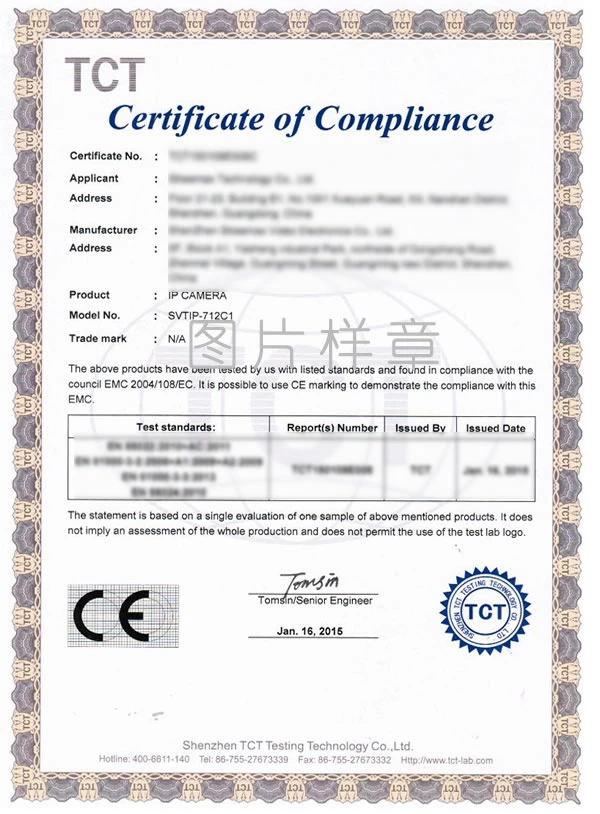
Global lab-grown standard with full 4C grading and online certificate verification.
Prestigious diamond certification trusted for luxury and bridal jewelry markets worldwide.
Advanced light performance analysis with detailed imaging and quality verification reports.
China-authorized diamond certification supporting mainland retail compliance and verification.
Common Questions
Yes. Lab-grown diamonds are genuine diamonds — not simulants like cubic zirconia or moissanite. They have the same chemical composition (pure carbon, cubic crystal structure), physical properties (Mohs hardness 10, density 3.52 g/cm³), and optical properties (refractive index 2.417) as mined diamonds. A GIA gemologist cannot visually distinguish a lab-grown diamond from a mined one without specialist spectroscopic instruments.
CVD and HPHT are two different growth methods, but both produce identical diamond crystals. CVD builds the diamond atom by atom from a carbon gas plasma at moderate temperature and low pressure. HPHT uses extreme pressure (870,000+ PSI) and heat (1,300–1,600°C) to replicate natural formation. From a quality and beauty perspective, there is no meaningful difference — both can produce D-color, VVS-clarity, Excellent-cut stones. The growth method is noted on every IGI and GIA report but does not affect value or beauty.
We maintain deep ready stock in D, E, F (colorless) and G, H (near-colorless) across VVS and VS clarities in round brilliants from 0.30ct to 3.00ct. These are the commercially most popular grades for engagement rings and fine jewelry. I, J, and K–Z grades are available but typically ordered to specification. Fancy colors (blue, pink, yellow, green) are available with 7–21 day lead times depending on color intensity and carat weight.
Yes. Standard thermal diamond testers measure thermal conductivity, which is identical in lab-grown and mined diamonds. Lab-grown diamonds test as genuine diamonds on all standard testers. Advanced spectroscopic instruments used by gem labs can identify the growth method — which is why independent certificates note “laboratory-grown” origin. But for retail and wholesale purposes, standard diamond testers confirm our stones are real diamonds in every measurable sense.
For individual certified loose stones there is no minimum — you can purchase a single stone. For melee (small calibrated diamonds for jewelry production) the minimum is 0.50ct per size/grade combination. For large wholesale lots we offer volume pricing with no upper limit. All orders include the relevant IGI grading reports and origin certificates. Contact us for our current wholesale price list and live availability.
Yes. Stone matching for earring pairs, three-stone rings, tennis bracelets, and other multi-stone applications is a core part of our service. We select stones from the same production lot where possible to ensure color body and brilliance consistency across the set. For tennis bracelets and necklaces requiring 30–100+ matched stones, we maintain deep lot inventory to fulfil large production orders. Contact us with specifications for matched lot pricing.
We use cookies to collect information about how you use this site. We use this information to make the website work as well as possible and improve our services.more details